The One-Anchor Outing: Why a Single Plan Can Carry a City Afternoon
A one-anchor outing gives a city afternoon a satisfying center without filling every hour, leaving room for discoveries and a relaxed trip home.
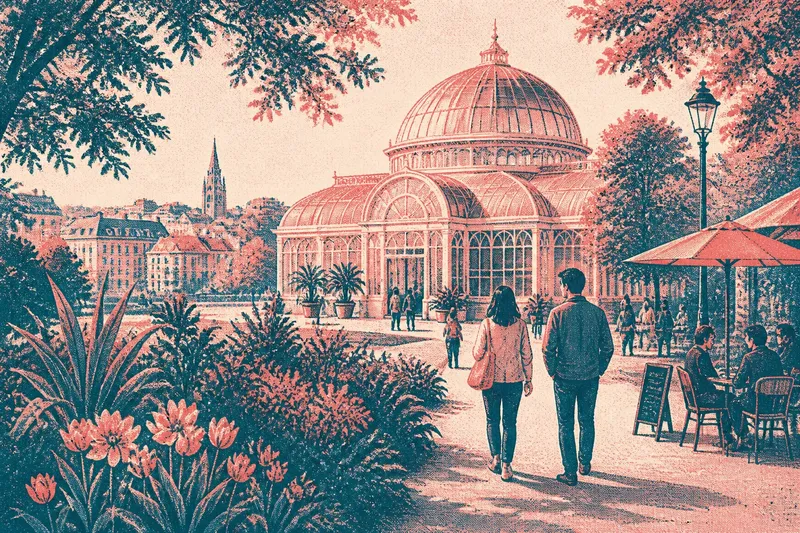
How do you give a city afternoon enough shape to feel like an outing without turning it into a schedule? A one-anchor outing starts with one central destination—a garden, market, neighborhood cinema, or riverside path—and lets the rest of the day gather around it. The anchor gives you somewhere to head; the open space around it leaves room to notice what you did not plan.
This approach sits between two familiar options: a tightly routed day with several stops and a completely open wander. Neither is inherently better. The useful choice depends on how much structure helps you enjoy yourself, how far you want to travel, and whether you are going alone or with someone whose pace differs from yours.
A single anchor makes the afternoon legible
An anchor is not necessarily the most impressive place on the map. It is the stop that makes the trip feel intentional. You might choose a public garden because you want a quiet stretch outdoors, a food hall because you want lunch somewhere different, or a matinee because a shared start time makes it easier to leave home.
Once you have chosen it, treat the destination as the center of the outing, not the first item on a chain. You can decide roughly when you would like to arrive and what kind of time you hope to spend there, while leaving the surrounding hours unassigned. That small amount of structure can make it easier to set off without creating pressure to keep moving.
The anchor also gives a companion a clear picture of the plan. “Let’s walk through the botanical garden and see what we feel like afterward” is easier to respond to than a vague afternoon out, but it is less demanding than proposing a series of stops with fixed transitions.
Three approaches suit different kinds of days
A tightly routed outing suits people who enjoy momentum
Several planned stops can make sense when each one matters to you: perhaps a bookshop, a specific lunch reservation, and an evening performance. A route helps you account for opening hours and travel between places. It suits a day when you want variety and are comfortable moving on when the schedule says it is time.
The trade-off is that delays or a slow, unexpectedly pleasant stop can unsettle the rest of the plan. If the pleasure lies in conversation, people-watching, or lingering over a meal, a packed route may make those moments feel like interruptions rather than the point.
A completely open wander suits people who like choosing as they go
An unplanned wander can be a good fit when the neighborhood itself is the attraction and you have time to roam without needing to arrive anywhere. You might walk familiar side streets, follow a stretch of waterfront, or turn toward a market when its sounds draw you in. There is no central appointment to keep.
This option asks you to be comfortable with uncertainty. If you find it tiring to decide repeatedly where to go next, or if a companion needs a clear destination, the freedom may feel less like ease and more like another task.
A one-anchor outing balances direction and room
Choose one destination, then leave the route around it flexible. The anchor can be a place to visit, a meal to share, or an activity that gives the afternoon a natural beginning. Before or after it, you can take a short walk, stop for coffee, or head home without treating any of those choices as obligations.
This middle option often suits people who want to get out of the house but do not want to spend the day managing logistics. It is especially useful when plans involve different energy levels: the shared destination creates a point of agreement, while the unplanned edges let each person adjust.
Choose an anchor by the kind of afternoon you want
Start with the feeling you want the outing to have, rather than a list of places you feel you ought to see. A few practical questions can narrow the choice:
- Do you want quiet or stimulation? A small gallery, a shaded public garden, and a bustling market offer different kinds of attention. Choose a place whose ordinary atmosphere suits the mood you want.
- Should the destination involve doing something or simply being there? A film, a public pool, or a food market gives the visit a clear activity. A park bench or a walk along a canal leaves more of the time open.
- How much travel feels reasonable today? A nearby branch library or local plaza may be a better anchor than a destination across town if you want the trip itself to remain light.
- Does the place give you an easy way to pause or leave? A destination with nearby seating, transit, or cafés can make it simpler to shorten the outing or extend it without committing to another major stop.
- Are other people joining? Choose a place with a shared point of interest and enough flexibility for different walking speeds, conversation styles, or appetites.
Practical details matter, but they need not take over the decision. Check the destination’s current hours and any booking conditions before setting out; where access depends on the venue’s own rules, follow its published guidance. The point is to avoid a preventable snag, not to turn a relaxed afternoon into a research project.
Keep the edges of the plan open
A one-anchor outing works best when the time before and after the central stop is treated as available, not empty. You might allow yourself a pleasant walk from the station, or choose a route home that passes a few streets you do not usually use. Those edges can hold discoveries without requiring you to chase them.
It helps to make one modest decision about the return. Know which transit line or general direction will get you home, and leave yourself permission to use it sooner than expected. An outing does not need a second destination to justify the trip; the anchor can be enough.
Imagine you choose a neighborhood conservatory as your destination on a mild afternoon. You plan to spend time among the plants, then walk toward a nearby café district without choosing a particular café in advance. If one window display or small plaza catches your attention, you can pause; if your energy dips, you can take the direct route home. The conservatory gives the day its center, while the observable result is simply a visit that can expand or contract without losing its shape.
What helps a one-anchor outing feel easy?
How long should I spend at the anchor?
Choose a loose expectation based on the place and your mood, rather than setting a strict duration. A short visit can be satisfying if the destination itself is the main experience, while a garden or waterfront may invite a slower pace.
Should I plan a meal as part of the outing?
A meal can be the anchor if sharing food is the purpose of the afternoon. Otherwise, leave it as an option nearby, so you can eat when you are hungry without making the whole outing depend on a reservation.
What if the destination is closed or crowded?
Keep a nearby alternative in mind that offers a similar kind of afternoon, such as a different public garden or an indoor market. One backup is usually enough; compiling a list of contingencies is not worth the effort for a modest leisure plan.
Can an anchor be a neighborhood rather than a venue?
Yes. Pick a compact area with a quality you want to spend time around, such as older storefronts, a waterfront path, or a cluster of cafés, and let that district be the destination. The anchor is the reason to go, not necessarily a door you need to enter.
Choose the amount of structure you will enjoy
A tightly routed outing is useful when the sequence matters and you welcome a full day of movement. An open wander suits a day when choosing in the moment is part of the pleasure. A one-anchor outing fits between them: one meaningful destination, a few practical bearings, and enough unclaimed time for the city to offer something unexpected.
For a city afternoon, the one-anchor outing is a way to make leisure feel deliberate without asking it to perform. Pick a destination that matches your energy, keep the way home simple, and let any extra stop earn its place as the day unfolds. The most useful plan may be the one that gives you a reason to leave and no reason to hurry back.